How to Stay Safe During Winter: Road Safety Tips for Pedestrians
As winter settles in, snowy sidewalks and icy surfaces can make daily walking more difficult. With the right preparation and awareness, you can stay safe and warm during Canada’s coldest months.
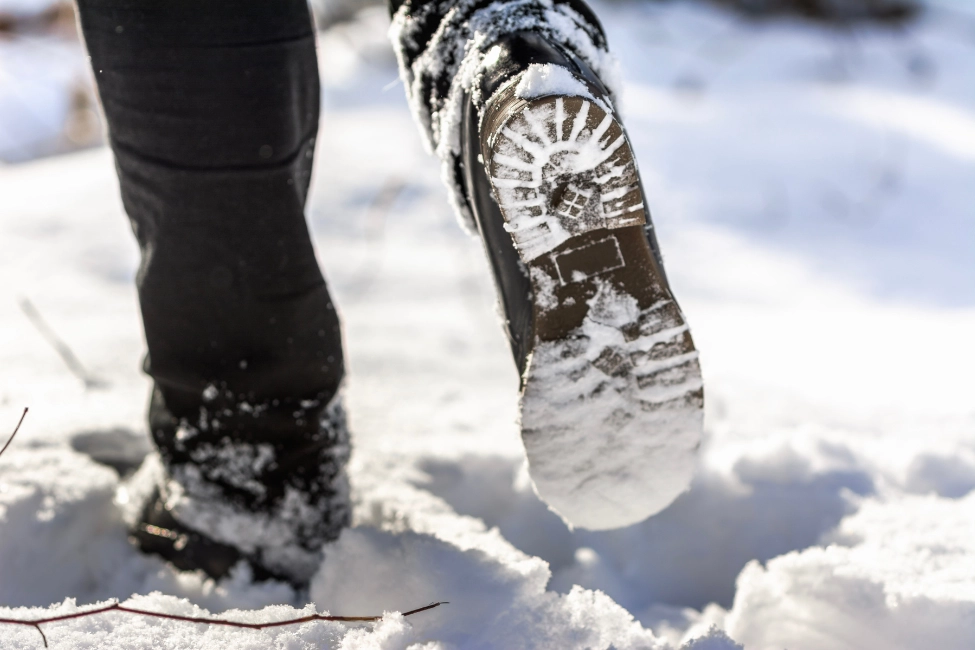
1. Wear Proper Winter Footwear and Accessories
Choosing the right shoes and accessories can make a big difference in keeping warm and preventing slips.
- Choose waterproof winter boots with non-slip soles. Bring your wool or thermal socks when shopping for winter boots to get the right fit.
- Dress for warmth. Gloves, a scarf and a toque are necessary to keep you warm and protect your skin from frostbite.
- Use traction cleats. If your job requires you to walk outdoors frequently, traction cleats or ice grips can improve stability in snowy and icy conditions.
For parents with a young baby in a stroller, it’s essential to keep the baby warm and comfortable by dressing them in layers. Additionally, using a stroller cover or weather shield is crucial for protecting your little one from wind, snow, and rain. Here are some important tips to ensure your baby’s safety and comfort:
- If you plan to take walks after sunset, consider adding reflective tape or lights to your stroller for increased visibility.
- If using a stroller cover, ensure the stroller provides enough airflow to maintain a safe and comfortable environment for your baby.
- Regularly check your baby to make sure they are not too hot or too cold.

2. Wear a Proper Winter Jacket and Layer Up!
Layering is important during winter. As a winter jacket can be expensive, do your research and shop around to find the best fit for your lifestyle.
- Choose a winter jacket that is waterproof, windproof, and insulated. A good hood is essential to keep your head warm when it’s windy and snowing.
- Consider buying one size above your regular size if you plan to wear thick sweaters or multiple layers underneath.
- Look for breathable materials. They help prevent overheating and sweating, which can make you feel colder.
- Budget-friendly tips: Buy your winter jacket at the end of the winter season or during fall sales for better prices.
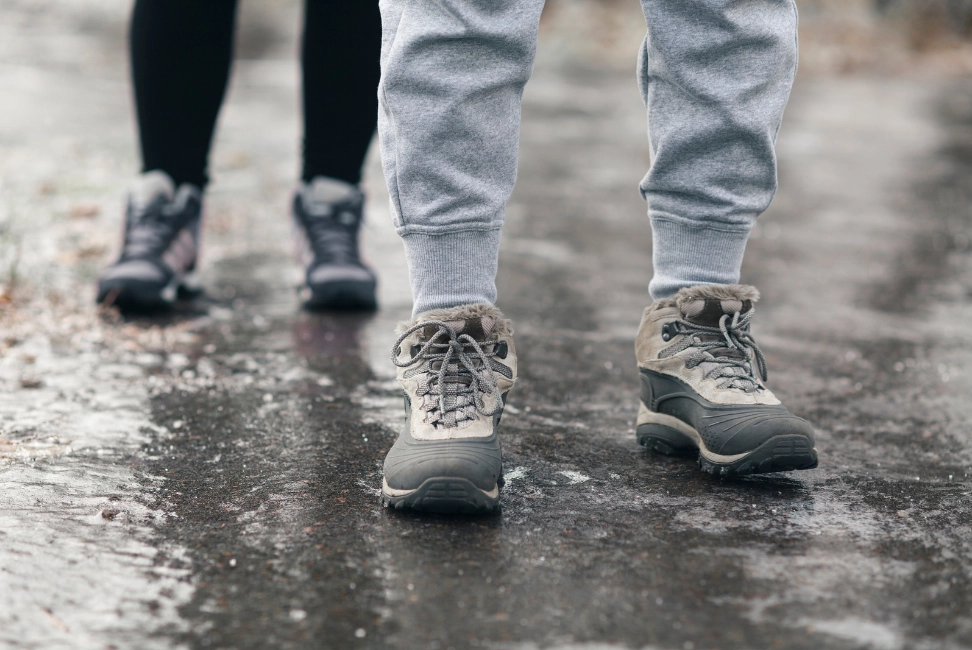
3. Choose Safe Routes and Watch for Icy Sidewalks
Winter maintenance varies by city, and main sidewalks or transit areas are usually cleared first. Walk on well-lit paths, frequently travelled, and recently salted or plowed. Watch out for black ice, a thin, hard-to-see layer of ice that makes surfaces extremely slippery.
Watch this video to learn about black ice
Here are some tips to walk safely if the sidewalks look icy:
- Walk slowly and take small, careful steps
- Step flat-footed with toes pointing slightly out to maximize the contact area with the ice, improving grip compared to landing on a toe or heel
- Keep your arms out of your pockets to improve balance
- Avoid carrying heavy stuff or multiple items
- Avoid looking at your phone while walking on icy surfaces
Watch this video to learn how to walk on an icy surface safely
If you slip or lose balance:
- Try to relax your muscles
- Fall on your side or back, not your wrists
- Tuck your chin toward your chest to protect your head from hitting the hard surface
- Practice safe falling techniques at home (on a soft surface), so you know what to do and to prevent major injuries
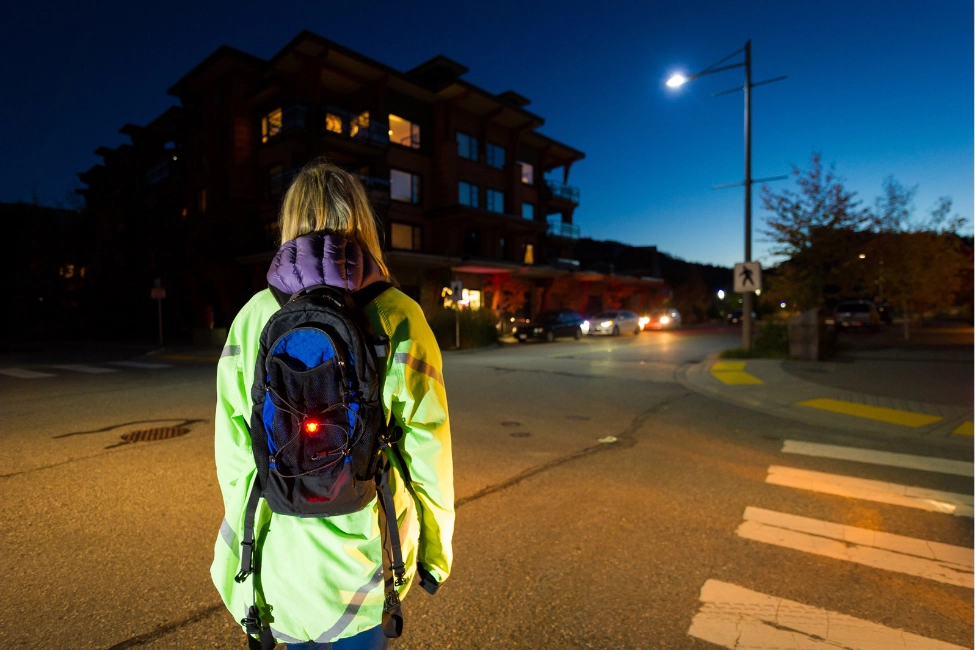
4. Stay Visible and Make Eye Contact with Drivers
As a pedestrian, you are responsible for your own safety by obeying traffic signals, staying aware of your surroundings, and crossing at designated spots.
- Before crossing the street, make sure the driver sees you and is stopping. Wait until the vehicle has come to a complete stop before crossing the street since drivers need more time to stop on snowy or icy roads.
- Wear bright clothing or reflective items, especially during early mornings, evenings, or snowy weather.
- Carry a small flashlight or use your phone light if walking in poorly lit areas.
Are you new to Canada? The YMCA Newcomer Information Centre is a welcoming place for newcomers in Toronto and Ontario to get trusted and reliable settlement information.