Fraud Prevention Month: How to Stay Alert as a Newcomer
March is Fraud Prevention Month in Canada, an annual campaign to help Canadians better protect themselves from fraud. As technology changes, scams are also becoming more clever.
Newcomers to Canada are often targeted because scammers know they may not be familiar with Canadian systems such as the Canada Revenue Agency (CRA), immigration rules, or banking procedures. Being informed is the first step to staying safe.
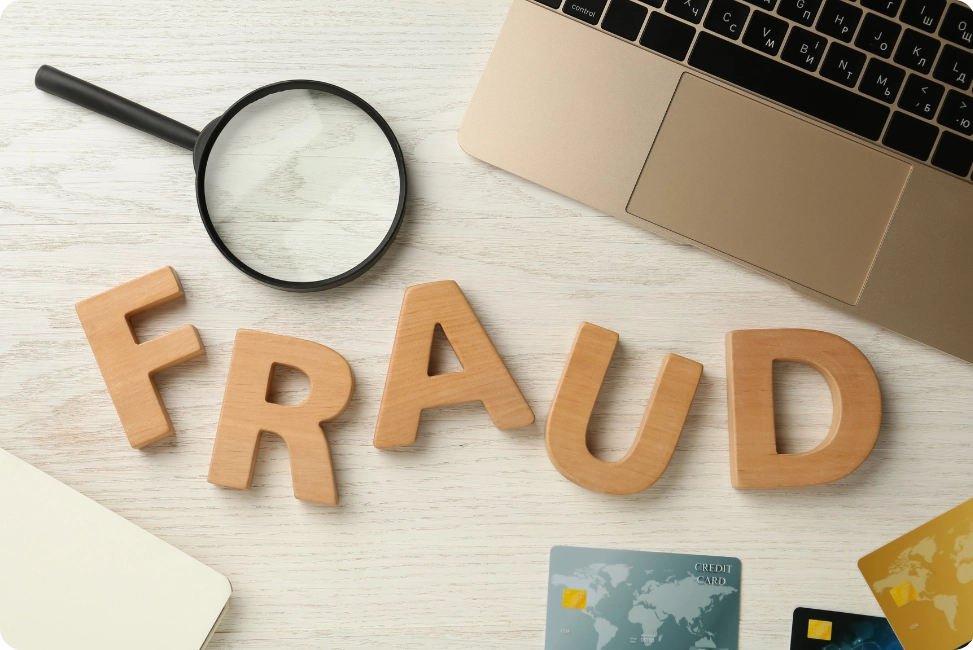
Examples of Scams to Watch Out For
With the development of Artificial Intelligence (AI), scammers can now use AI tools to create more believable scam tactics. Here are some examples of AI scams:
- Voice Cloning Scams: Scammers can use AI to copy a person’s voice. They may call you pretending to be a family member in trouble and ask for urgent money.
- Deepfake Videos: Some scams use fake videos of trusted figures, such as celebrities, bankers, or government officials, to promote fake investments or easy immigration pathways.
- AI-Generated Emails or Messages: AI can write professional and error-free messages that look real. They may pretend to be from your bank, the immigration, or the CRA, asking you to click a link to provide personal information.
Click here to learn more about AI-generated tax scams in Canada
Other than AI scams, here are some common examples of scams:
- Phone Scams: You may have received this type of call at least once. The computer-generated robotic voice will impersonate a CRA, immigration agency, bank, or shipping company, claiming you owe money and must act immediately.
- Email and Text Scams, also known as Phishing: The email or text messages will look real, but are designed to make you click links or give personal information. Typically, scammers use tactics such as fake delivery notices, bank account alerts, speeding fines, or prize offers.
- Banking and Investment Scams: Where scammers promise “easy money” or guaranteed investment returns, including fake cryptocurrency opportunities or employment scams involving fake cheques.
- Rental and Housing Scams: Where scammers post fake rental listings that ask for deposits before you see the unit.
- Romance and Friendship Scams: Online scammers build emotional connections and then ask for money for emergencies, travel, or business.
- Online Shopping and Marketplace Scams: Scammers create fake websites and post fake listings on marketplaces like Kijiji or Facebook. Another example is if you are selling an item online, the buyer (in this case, a scammer) sends a (fake) cheque for more than the price and asks you to refund the difference via bank transfer.
- Click here to view the list of reported scams.
Remember, if something sounds too good to be true, it probably is. Scammers tend to take advantage of people’s desperation.
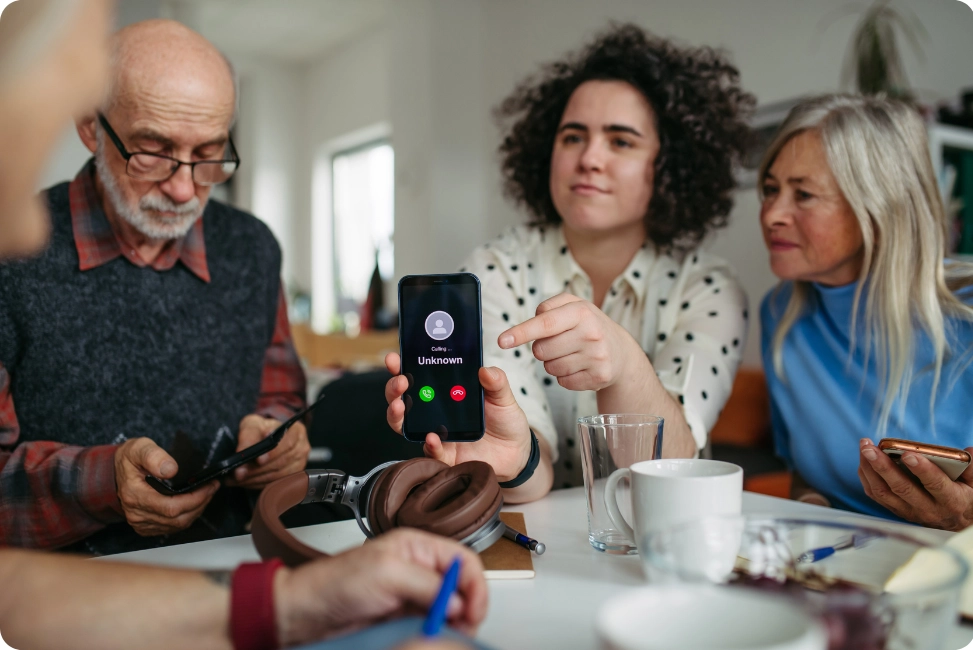
Tips to Protect Yourself and Stay Alert
- Pause and think before you act! Scammers often pressure you to act quickly. Take a moment to breathe, think, and verify.
- Never share personal Information with unconfirmed individuals. Government agencies or banks will not ask for your SIN number, bank information, or password through email, text, or social media.
- If you suspect you are talking to a scammer over the phone, hang up. Look up the company or agency’s official website to find their phone number, and call them to confirm whether the request is real.
- Check for signs of fake messages:
- Urgent or threatening language
- Unfamiliar email addresses or links
- Request for gift cards, cryptocurrency or money transfers
- Protect your voice and images online. Avoid posting too many personal videos or clips on social media, as scammers can use these to create fake voices or videos.
- Report scams to the Canadian Anti-Fraud Centre. If you are a victim of scams, also report it to your local Toronto Police.
Anyone can be a target of scams. Being aware is the best way to stay safe. Attend scam awareness webinars, talk with your family, especially seniors and youth, about different types of scams to help keep everyone protected.
Stay alert and keep yourself updated on the latest scam tactics!
Take these quizzes to test your knowledge on scams:
- Competition Bureau Canada fraud knowledge test: https://competition-bureau.canada.ca/en/fraud-and-scams/test-your-knowledge-fraud
- Canadian Bankers Association anti-scam quizzes: https://cba.ca/for-canadians/anti-scam-quizzes
- Go to your financial institution’s official website and find its security or fraud protection page.
Additional Resources:
Bracebridge OPP warn of scam involving bank impersonation
Common Scams and Deceptive Marketing Practices and How to Avoid Them