
How to Stay Safe During Winter: Road Safety Tips for Drivers
Canadian winters can be beautiful, but they also bring snow, ice, and freezing temperatures that make getting around more challenging, especially for newcomers experiencing their first winter. Whether you walk, take public transit, or drive, being prepared helps you stay safe and confident during the winter months.
Why Winter Safety Matters
Winter conditions can change quickly. A sunny morning can turn into icy roads by evening. Snow, slush, and freezing rain create hazards that can lead to accidents and injuries. Preparing ahead of time helps you stay safe and avoid stressful situations on the road.
Winter Driving Tips for Freezing Temperatures and Heavy Snowfall
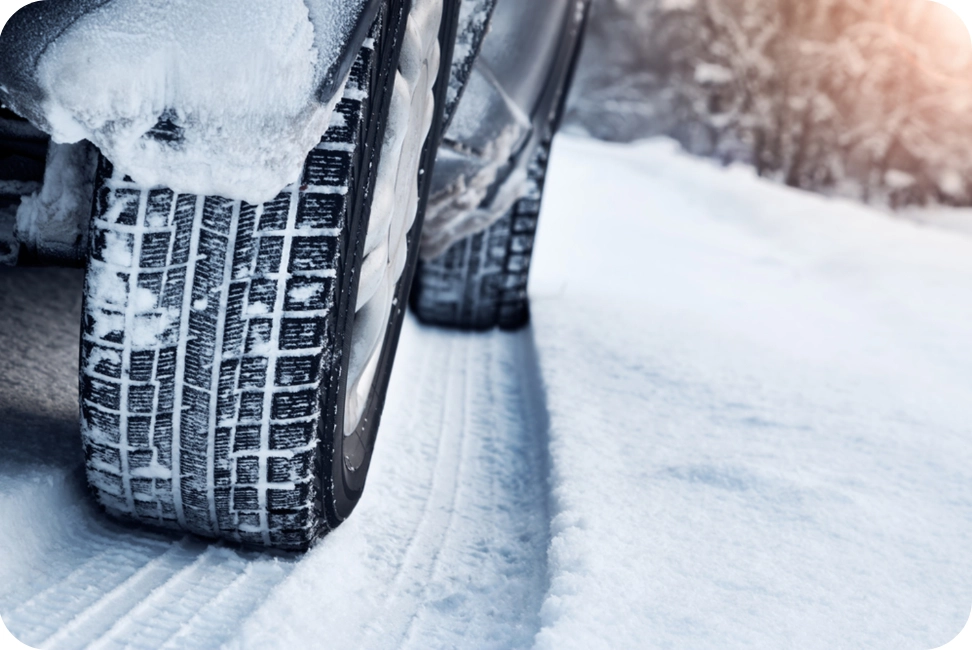
1. Prepare Your Car for Winter
- Install winter tires. They provide better traction on snow and ice. Install them when the temperature drops below 7°C. If you don’t have winter tires and the road conditions are icy, it might be safer to use public transit.
- Use winter-grade windshield washer fluid. Make sure it’s rated for at least -35°C so it won’t freeze.
- Check your battery. Cold weather weakens batteries. Have yours tested to make sure it can handle winter temperatures.
- Pack an emergency kit. Include a blanket, gloves, flashlight, ice-scraper, water, and snacks. This can be essential if you get stuck during a snowstorm.
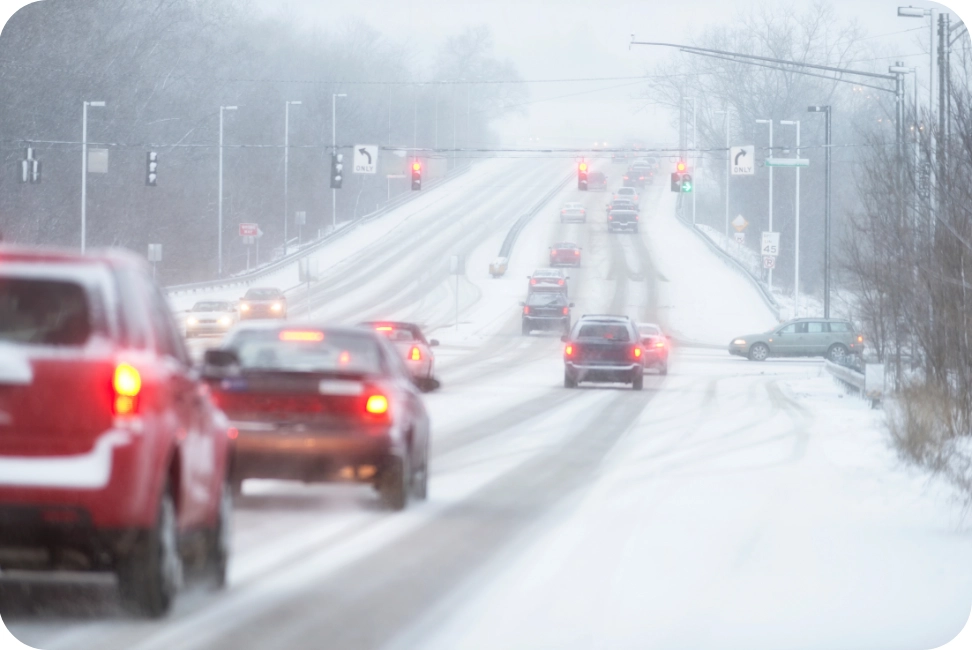
2. Slow Down and Leave Extra Space
Winter days are shorter and often cloudy. Roads may look clear while still being dangerously slippery due to “black ice.” Here are four safety tips for winter driving:
- Reduce your speed, especially when turning or approaching intersections. Drive slower
- Keep a safe distance on the road. Aim for a gap of 8 to 10 seconds behind the vehicle in front of you. This allows for better reaction time and ensures a smoother, safer ride.
- If you notice the car in front of you slowing down even when the traffic is clear, they may see black ice on the road. Be cautious.
- Using your headlights and signals early helps other drivers and pedestrians see you, especially during snow or heavy fog.
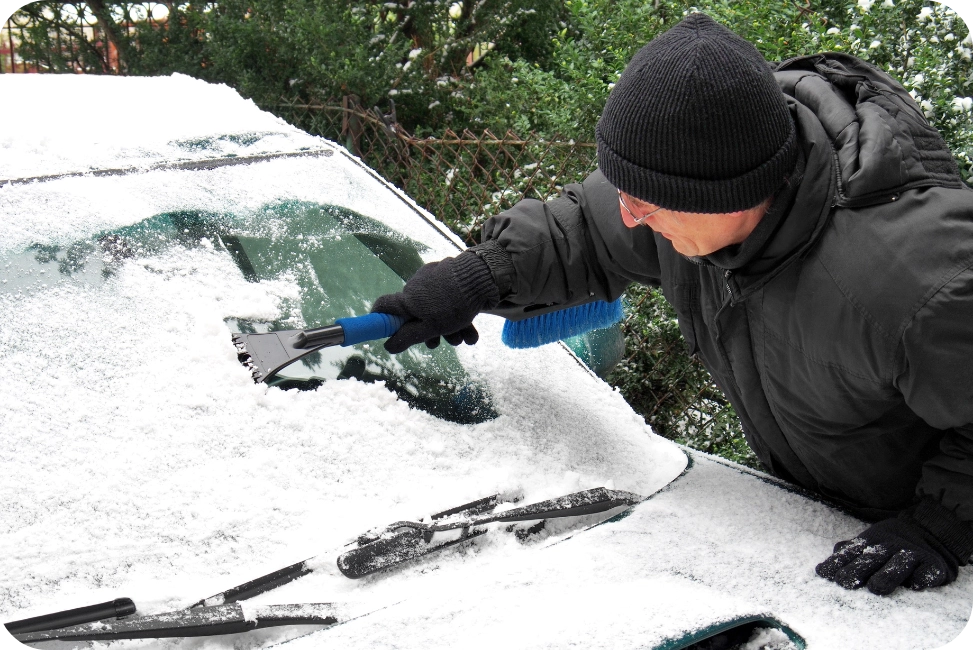
3. Clear Snow and Ice Before Driving
It’s the law in many places, and it keeps you and others safe. When the snow is piling on your car, make sure to:
- Clear all windows (front, back, and sides), side view mirrors, headlights, taillights and the roof of your car. Sometimes, drivers forget to clear the snow from the roof, but it can blow off while driving and create hazards for other vehicles.
- Use a good snow brush and ice scraper.
- If conditions are too dangerous, consider staying at home or taking public transit instead of driving.
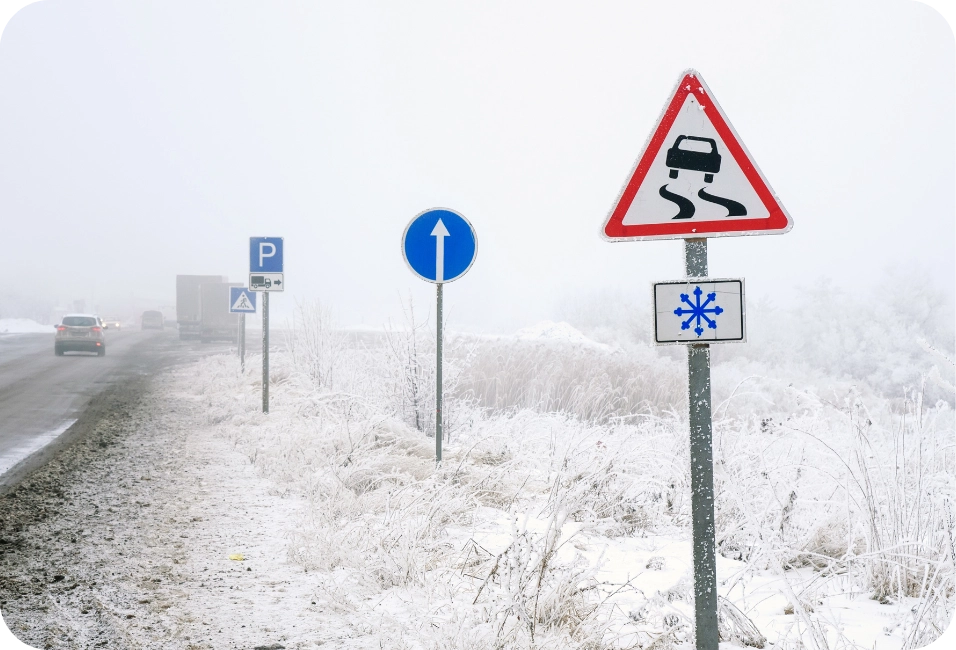
4. If Your Car Starts to Skid
- Remove your foot from the gas pedal.
- Steer gently in the direction you want the car to go.
- Avoid sudden braking, which can make the skid worse.
Watch this video to learn what to do if you’re sliding on an icy road.
(Disclaimer: The video contains clips of car accidents.)
Important Reminders for Car Owners:
- Do not park on snow routes (commonly found in downtown areas and along streetcar routes) during heavy snowfall. Vehicles blocking TTC streetcars may be fined or towed. Visit this site to learn why this is important.
- Avoid parking on the street during snow-clearing operations. Cars parked on the road can be ticketed or towed at the owner’s expense. Check your city’s official website for winter road maintenance rules.
Click here to read the Winter Road Safety Tips for Pedestrians
Are you new to Canada? The YMCA Newcomer Information Centre is a welcoming place for newcomers in Toronto and Ontario to get trusted and reliable settlement information.